Explore how CCTV can help protect your home by detecting intruders and recording events. Get professional guidance on camera positioning and coverage.
How Can CCTV Help Protect Your Home?
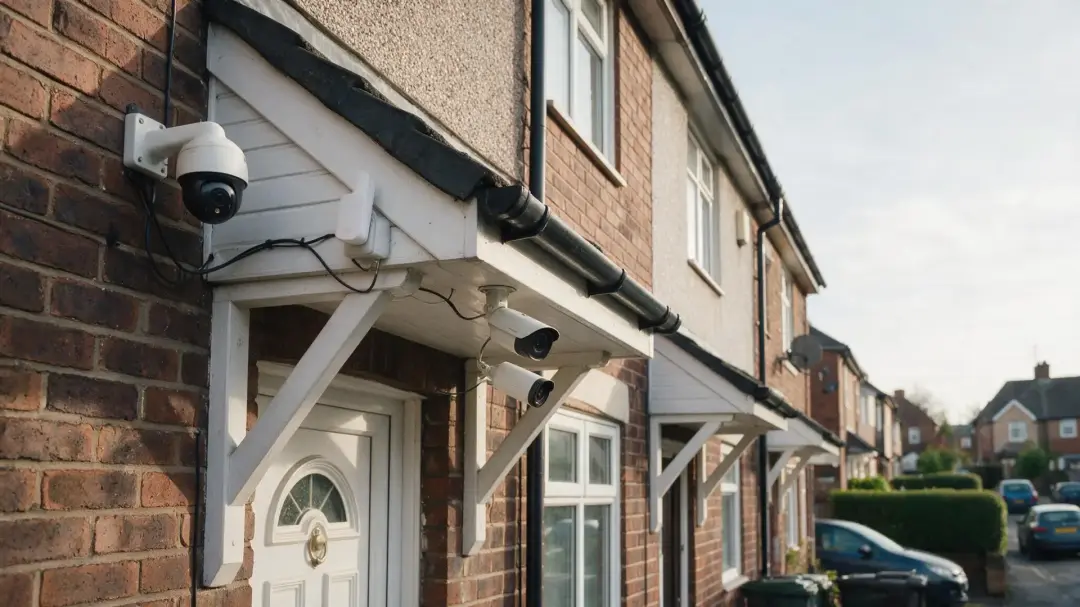
CCTV can help protect your home by allowing you to watch important areas, record activity and review what happened after a security incident. Cameras can cover entrances, driveways, gardens, garages and other places where somebody may approach your property.
Home security remains an important concern. The Office for National Statistics reported 223,456 police-recorded burglaries in England and Wales in the year ending March 2026. This included residential and non-residential burglary and was 9% lower than the previous year. CCTV cannot guarantee that a crime will be prevented, but it can form an important part of a wider home security system.
Can CCTV Deter Burglars?
Visible CCTV cameras may make somebody think carefully before approaching a home with the intention of committing a crime. A camera shows that activity around the property may be recorded, which can increase the risk of a person being seen and identified.
CCTV should not be treated as a complete security solution on its own. Strong doors, secure windows, suitable locks, lighting, gates and alarms can all help make a property harder to enter while cameras provide an additional layer of protection.
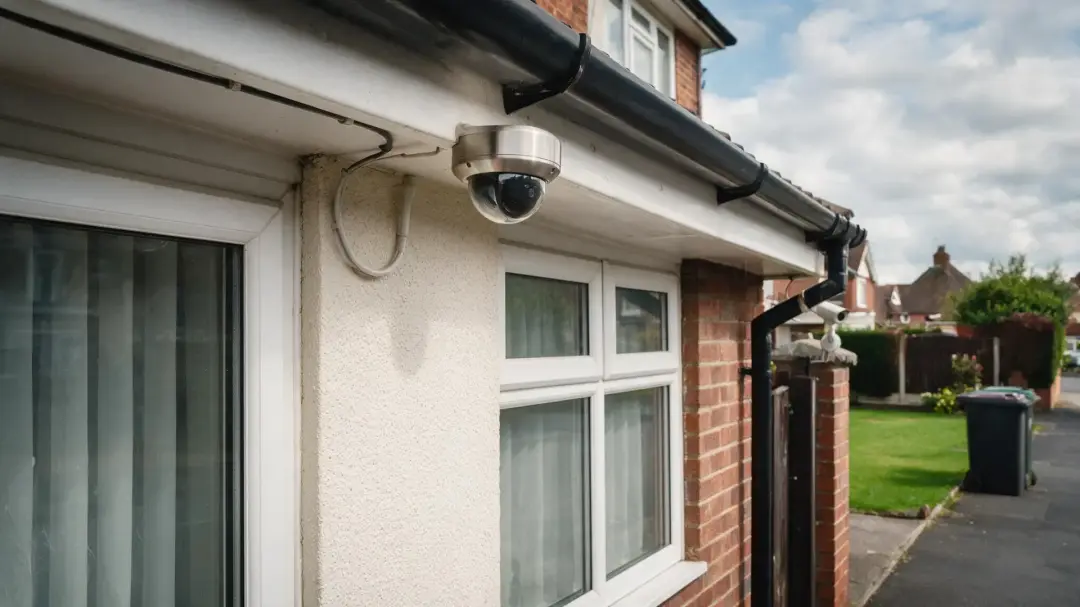
The College of Policing reviewed 76 studies into the effect of CCTV. Across the different settings studied, crime was 13% lower in places with CCTV than in comparable places without it.
The same review found that property crime was 14% lower in places with CCTV. Results varied between locations, so cameras should be used alongside other sensible security measures rather than relied upon by themselves.
Visible cameras can also make visitors aware that your home is protected, while well-positioned cameras can record useful details if an incident does take place.
How Can CCTV Help You See Who Is Approaching Your Home?
One of the main benefits of home CCTV is being able to see people approaching entrances and other important areas. A camera covering the front door, for example, can record visitors, deliveries and unexpected activity without you needing to open the door.
Outdoor cameras can also cover driveways, paths, side gates and rear entrances. This can give you a clearer picture of what is happening around the property and help you spot activity in areas that are difficult to see from inside your home.
Read related articles:
What to Consider Before Installing CCTV Cameras
How Many CCTV Cameras Does Your Property Need?
Can CCTV Help Protect Your Driveway, Garden and Outbuildings?
Home security is not limited to doors and windows. Driveways, gardens, sheds, garages and other outside spaces may contain vehicles, bicycles, tools and other valuable items. CCTV can help you watch these areas and record people entering them.
The Office for National Statistics estimated around 791,000 incidents of other household theft in England and Wales in the year ending March 2026. This was a 21% increase compared with the previous year, mainly because of an increase in theft from outside homes. This makes outside security an important part of planning CCTV coverage.
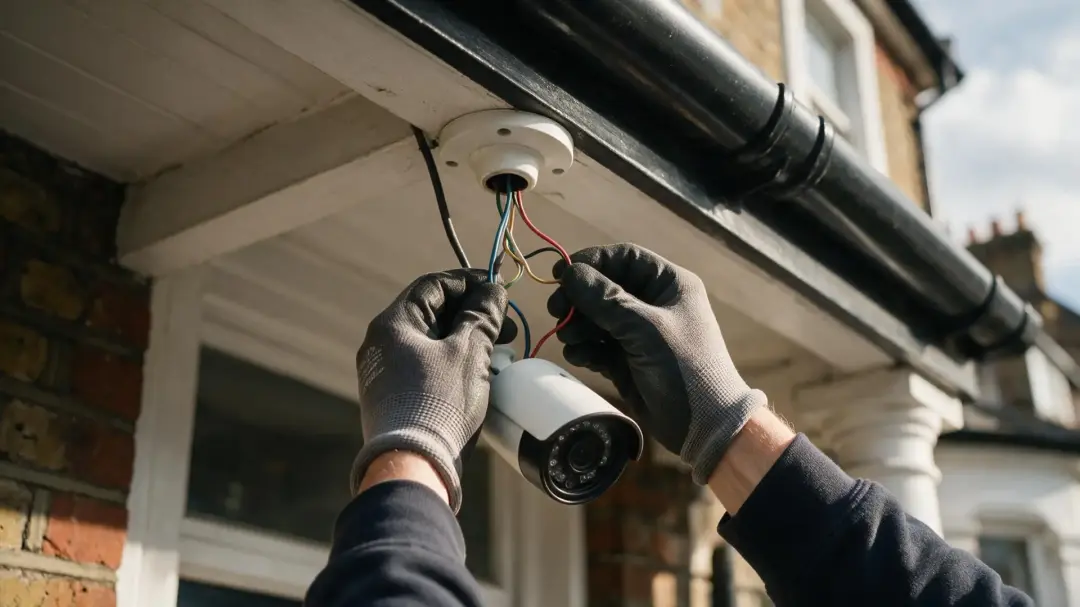
A camera covering a driveway can help record people approaching vehicles or walking towards the house. Cameras around gardens and side paths can provide similar coverage in places that may be hidden from the road.
Garages and sheds may also need attention, particularly when they contain expensive equipment or provide another route towards your home.
Each camera should have a clear purpose. Careful positioning can often allow one camera to cover more than one important area without creating unnecessary recordings.
Can CCTV Provide Evidence After a Crime?
If a burglary, theft or act of damage takes place, CCTV footage may provide a record of what happened. Depending on the camera position and image quality, footage may show a person's appearance, clothing, direction of travel, vehicle or other useful details.
Clear recordings can help you understand when an incident happened and how somebody approached or left your property. Where appropriate, relevant footage can also be provided to the police as part of an investigation.
How Can CCTV Help When You Are Away From Home?
Many modern CCTV systems allow homeowners to view cameras remotely through an internet-connected device. This can make it possible to check important areas when you are at work, travelling or away from home for another reason.
Remote viewing can be particularly useful when you want to check a delivery, see whether somebody has approached the property or confirm that everything appears normal. The exact features available will depend on the CCTV system you choose.
Can CCTV Alert You to Activity Around Your Property?
Some CCTV systems can detect movement and send an alert when activity is recorded within a chosen area. This can help draw your attention to somebody approaching a door, entering a driveway or moving through another protected part of the property.
Detection areas should be set carefully. A camera facing a busy pavement, road or moving trees may otherwise produce unnecessary alerts. Positioning the camera correctly and choosing the areas that matter can make notifications more useful.
Why Is CCTV Camera Position Important for Home Security?
A CCTV system is only useful when its cameras provide clear views of the areas you want to protect. Important locations can include the front entrance, rear door, driveway, side access, garage, garden entrance and paths leading towards the house.
Cameras should be positioned so people approaching important areas can be seen clearly. Installing a camera too high may provide a wide view while making faces difficult to see. Trees, walls, parked vehicles and other objects can also create blind spots if camera positions are not planned carefully.
Can CCTV Help Protect Your Home at Night?
Crime and unwanted activity do not only happen during daylight hours, so CCTV should be able to provide useful coverage after dark. Cameras designed for low-light or night-time recording can help you continue watching entrances and outside areas when natural light is limited.
Lighting and camera position can have a major effect on the recording. A bright light pointing directly towards a camera can create glare, while areas with very little light may lose useful detail. Camera views should therefore be checked during both the day and night.
How Can CCTV Work With a Burglar Alarm?
CCTV and burglar alarms perform different jobs. An alarm can warn you or others when a protected door, window or area is triggered, while CCTV can provide a visual record of what is happening around the property.
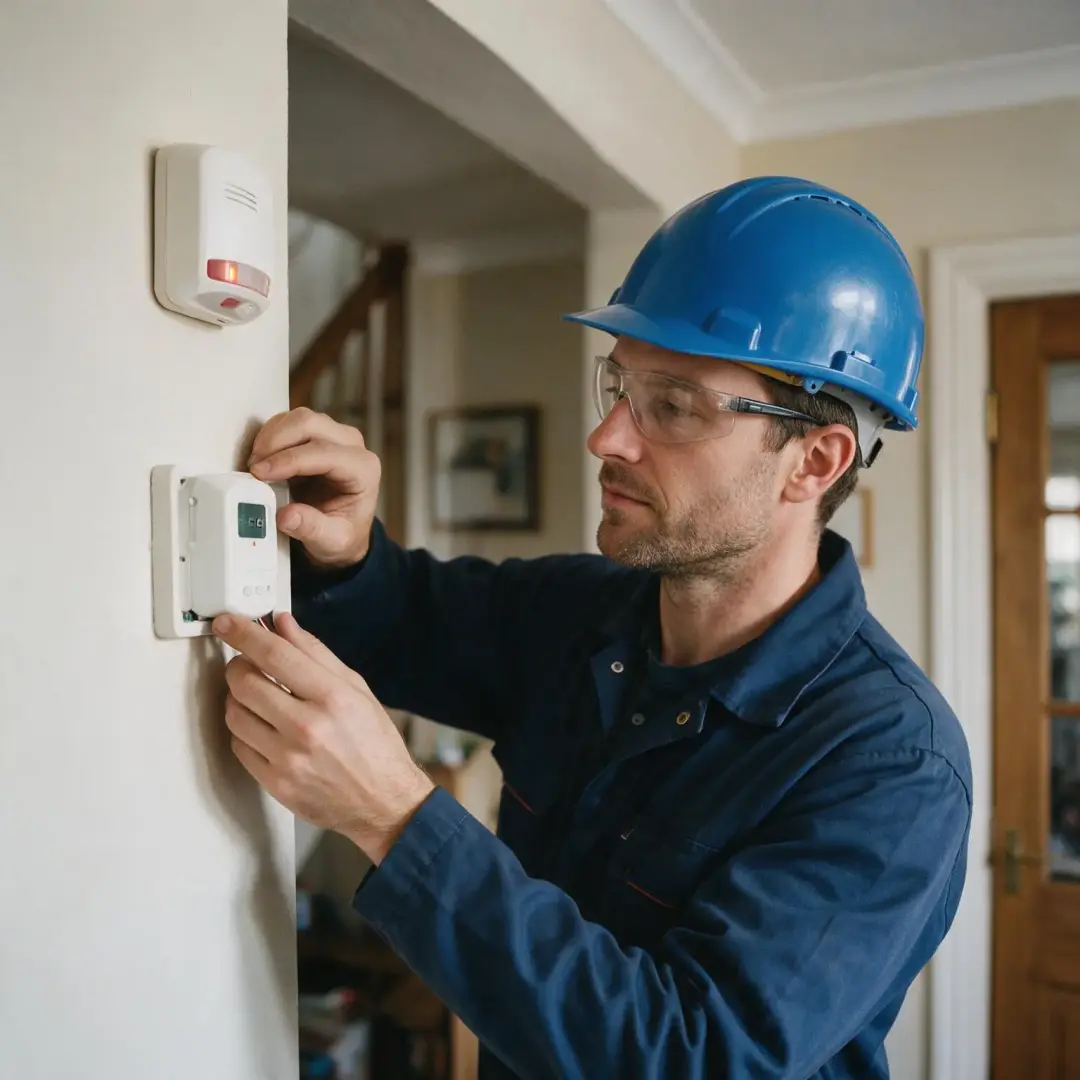
Using the two together can provide stronger protection than relying on either system alone. If an alarm is triggered, CCTV footage may help you understand what caused it. Cameras can also cover outside areas before somebody reaches a protected entrance.
How Can CCTV Work With Outdoor Lighting?
Suitable outdoor lighting can make it easier to see people approaching a property and may also improve the quality of CCTV footage. Entrances, paths, gates and driveways are common areas where lighting and cameras can work together.
Lighting needs to be positioned carefully. Strong lights facing directly towards a camera can reduce image quality instead of improving it. Testing the view after dark can help you find a suitable balance between lighting the area and keeping the recording clear.
What Should You Consider About CCTV Image Quality?
The value of CCTV footage depends partly on the amount of useful detail it records. A camera may show that somebody entered your property, but a very distant or unclear picture may make it difficult to see important features.
Think about what you need to see in each location. Around an entrance, a clear view of a person's face may be important. On a driveway, you may want a clear view of people approaching vehicles. Camera angles should be chosen around the detail you need rather than simply covering the largest possible area.
What Are the Privacy Rules for Home CCTV?
Home CCTV should be positioned carefully to protect the privacy of other people. Current Information Commissioner's Office guidance says that, where possible, cameras should only capture the property belonging to the person using the system.
If your cameras record a neighbour's property, a public area or a communal space, data protection law can apply. You should avoid recording more than you need, make people aware that CCTV is being used, store footage securely and delete recordings regularly. The Information Commissioner's Office says its home CCTV guidance is currently under review following changes made by the Data (Use and Access) Act.
How Can You Make Home CCTV More Secure?
Your CCTV system also needs to be protected. If cameras or recordings can be accessed remotely, use strong account security and make sure only people who need access can view the footage.
Recordings should be stored securely and should not be kept for longer than needed. It is also sensible to check cameras regularly for damage, dirt, changes in position or objects that may have started blocking the view.
Can CCTV Replace Good Locks and Physical Home Security?
CCTV should support physical security rather than replace it. A camera can record somebody approaching a weak door, but strengthening that door can make it harder for the person to enter in the first place.
Secure doors, windows, gates and locks remain important. Suitable lighting and a burglar alarm can provide additional protection. Combining these measures allows different parts of your security system to help prevent, detect and record unwanted activity.
Is Professional CCTV Installation Worth Considering?
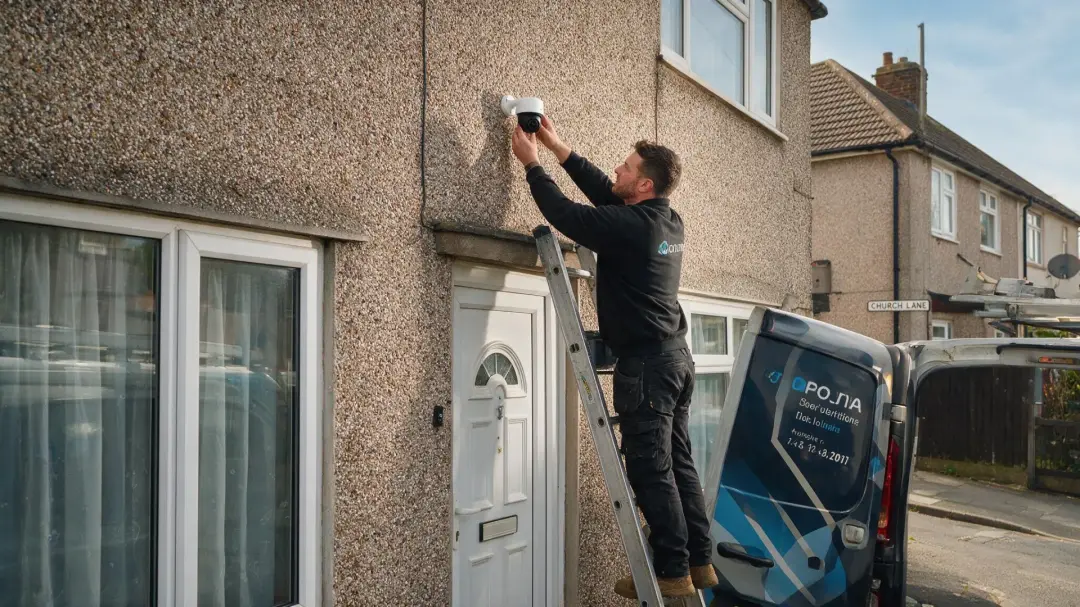
Professional CCTV installation can help make sure important parts of your property are covered without creating unnecessary blind spots or duplicate views. This may be particularly useful for larger homes, properties with several entrances or homes with detached garages and other outside buildings.
An installer can consider camera position, viewing angles, lighting and the areas you want to protect. Once the system is installed, every camera should be tested during the day and after dark to make sure the footage provides the detail you need.
How Should You Plan CCTV Coverage for Your Home?
Start by walking around your property and identifying the main routes somebody could use to approach your home. Consider the front and rear doors, side access, driveway, garage, garden, sheds and any areas hidden from normal view.
Give each camera a clear purpose and check that important areas are not hidden by walls, plants, vehicles or other objects. You should also consider privacy and avoid recording neighbouring properties or public spaces where possible. A carefully planned system can provide better protection than simply installing as many cameras as possible.
Is CCTV a Good Way to Help Protect Your Home?
CCTV can be a valuable part of home security. It can help discourage unwanted activity, allow you to watch entrances and outside spaces, provide evidence after an incident and help you check your property while you are away.
Current evidence from the College of Policing found that crime was 13% lower overall in places with CCTV, while property crime was 14% lower. However, results vary between settings and CCTV cannot guarantee that a crime will not happen. The strongest approach is to combine well-positioned cameras with secure doors, windows, locks, lighting and a suitable alarm.
CCTV can help you keep watch over the areas that matter most, record useful footage and strengthen the security measures already protecting your home. Careful camera positioning, secure doors and windows, suitable lighting and an alarm can all work together to provide more complete protection.
For CCTV camera installation in Crawley, Redhill or Reigate, call our installers today.