What Are the Most Common Burglar Alarm Problems?
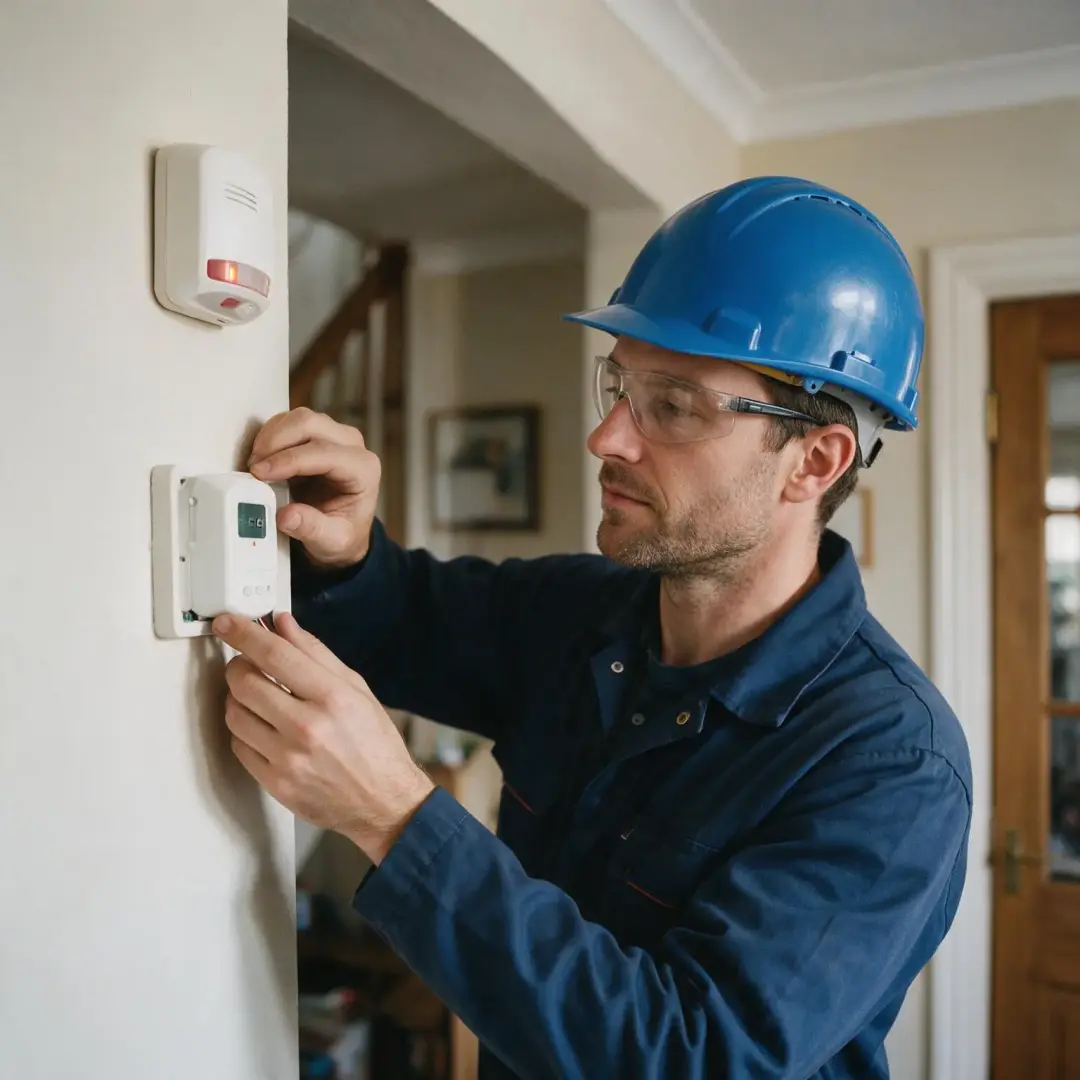
Burglar alarms are designed to help protect homes and provide an early warning when unexpected activity is detected. However, like any electrical security system, an alarm can sometimes develop problems. False alarms, low batteries, faulty sensors and connection problems are among the issues homeowners may experience.
Keeping a burglar alarm in good working order remains important. The latest figures from the Office for National Statistics show that police recorded 223,456 burglaries across England and Wales in the year ending March 2026. This included residential and non-residential burglary. Although the figure was 9% lower than the previous year, burglary remains a concern for households.
Understanding common burglar alarm problems can help you recognise when something is wrong and decide whether the issue has a simple solution or needs professional attention.
Why Does My Burglar Alarm Keep Going Off?
A burglar alarm that repeatedly activates without an obvious reason can be frustrating. There are several possible causes, including faulty sensors, low batteries, incorrect settings and environmental conditions.
False alarms should not simply be ignored. A system that regularly sounds when there is no danger may eventually be taken less seriously by household members or neighbours. Repeated false activations can also indicate that part of the system needs maintenance.
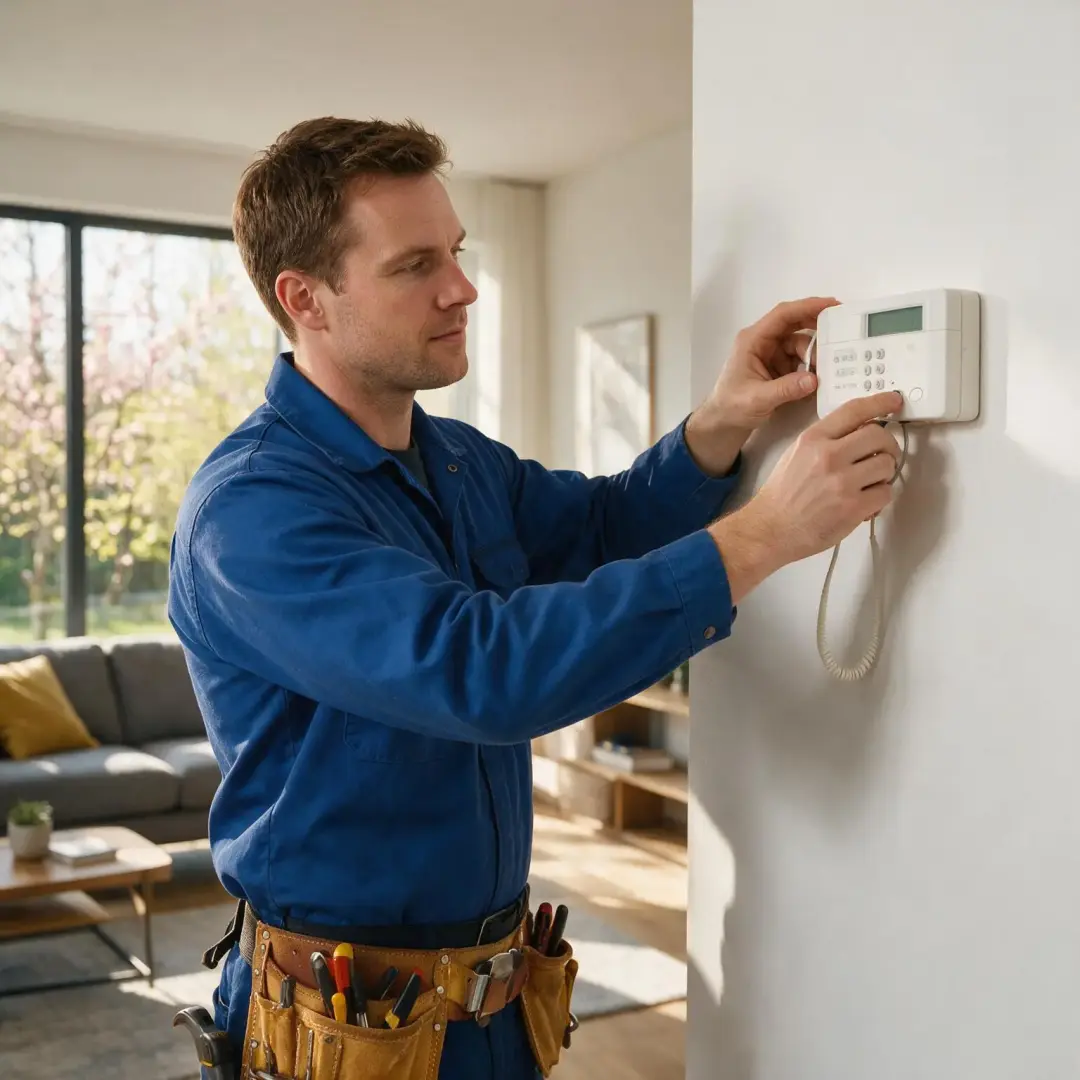
Movement sensors can sometimes be activated by something other than an intruder. Pets, moving curtains, decorations or objects placed close to a sensor may cause problems on some systems.
Doors and windows that do not close properly can also affect alarm sensors. A sensor may report that an entry point is open even when it appears to be closed.
If false alarms happen regularly and there is no clear cause, having the system inspected can help identify the problem.
Can a Low Battery Cause Burglar Alarm Problems?
Low or failing batteries are a common cause of alarm faults. Wireless sensors normally rely on batteries, while many main alarm units also have a backup battery that allows the system to continue operating during a power cut.
Your alarm may display a warning message, make a regular beeping sound or show a fault light when a battery is running low. Some modern systems can also send a warning to a connected mobile device.
A battery warning should be dealt with promptly. If the battery becomes completely flat, part of the alarm may stop working or the system may report additional faults.
Why Is My Burglar Alarm Beeping?
An alarm panel that keeps beeping is usually trying to tell you that something needs attention. The cause could be a low battery, a recent power cut, a sensor fault, a communication problem or another warning stored by the system.
Check the alarm panel for a warning light or message. Your system instructions may explain what the warning means. If the fault cannot be identified or the beeping continues after the problem has been addressed, the alarm may need professional inspection.
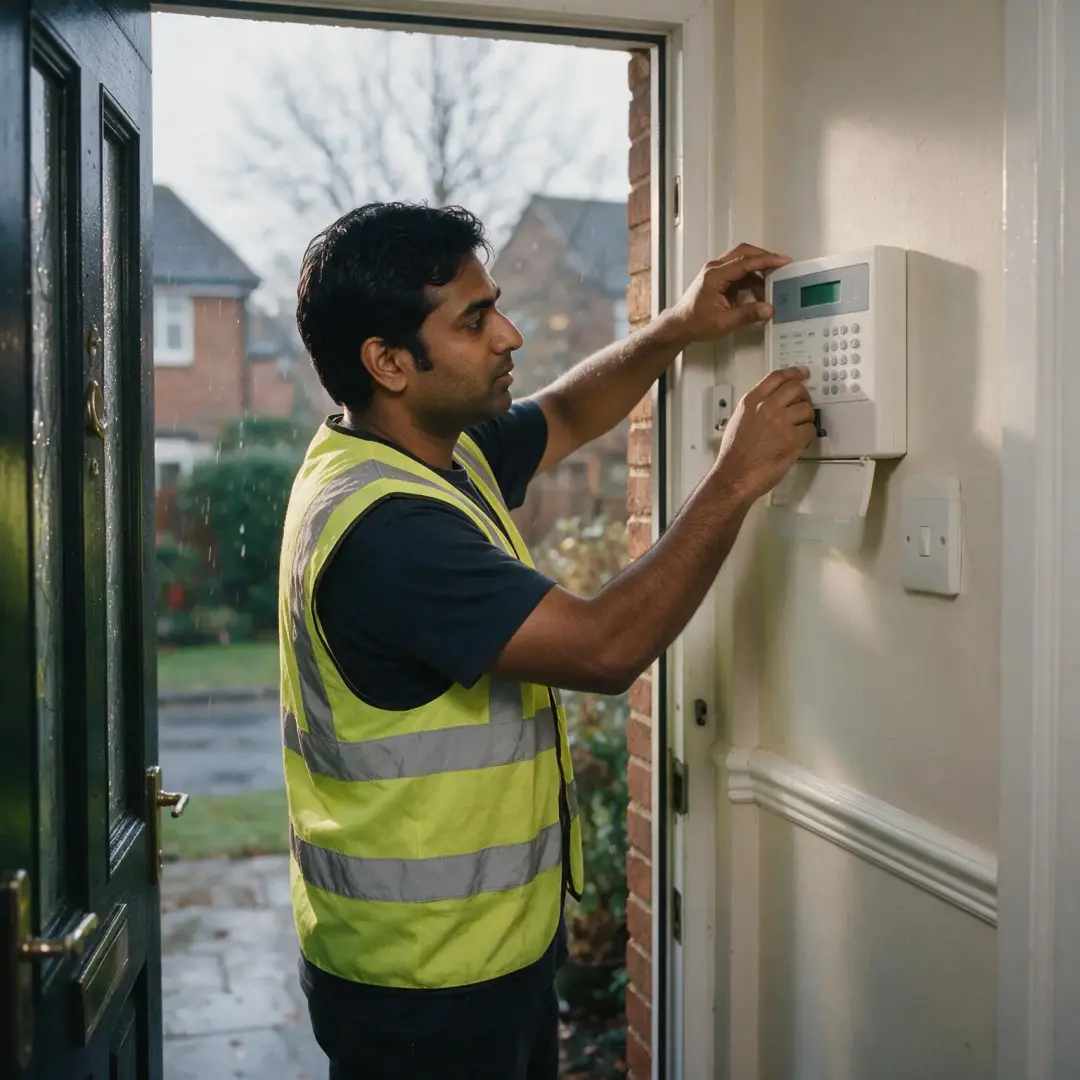
Avoid simply disconnecting an alarm because it is making an unwanted noise. This could leave your property without the protection you expect.
If the alarm has developed a fault, dealing with the cause is usually better than disabling the system.
Regular servicing can also help identify ageing batteries and other problems before they result in repeated warning sounds.
Why Is My Burglar Alarm Not Setting?
A burglar alarm may refuse to set when it believes part of the property is not secure. For example, a door or window sensor may still be showing as open. A damaged sensor or poor connection can sometimes produce the same warning even when everything is closed.
Start by checking that protected doors and windows are fully closed. You can also look at the control panel to see whether it identifies a particular area of the property as the source of the problem.
If everything appears secure but the alarm still will not set, there may be a faulty sensor, damaged cable or problem with the control equipment.
What Causes Burglar Alarm Sensor Problems?
Alarm sensors can develop faults because of age, damage, incorrect positioning or connection problems. Wireless sensors can also experience battery or signal problems.
A movement sensor needs a suitable view of the area it is protecting. Furniture, storage boxes or other objects placed in front of it can reduce its effectiveness. Sensors can also be affected if the room has changed significantly since the alarm was installed.
Door and window sensors depend on their separate parts lining up correctly when the opening is closed. Movement in a door or window frame may cause the parts to become misaligned over time.
Can Pets Set Off a Burglar Alarm?
Pets can cause false alarms when they enter an area protected by a movement sensor that is not suitable for animals. The likelihood of this happening depends on the type of sensor, its position and the size and movement of the pet.
Some alarm systems use sensors designed to reduce activations caused by pets. However, these sensors still need to be selected and installed correctly.
If a pet regularly activates your alarm, do not simply disable large parts of the system. An alarm installer may be able to adjust the sensor position or recommend equipment that is better suited to your home.
Can a Power Cut Affect a Burglar Alarm?
Most professionally installed burglar alarms have a backup battery so they can continue working for a period when the mains electricity supply fails. The alarm may still display or record a power warning during the interruption.
If the backup battery is old or faulty, a power cut may reveal a problem that was not previously obvious. You may notice warning sounds from the control panel or find that the alarm does not operate correctly.
If problems continue after the electricity supply has returned, the backup battery or another part of the system may need to be checked.
Why Has My Burglar Alarm Stopped Working?
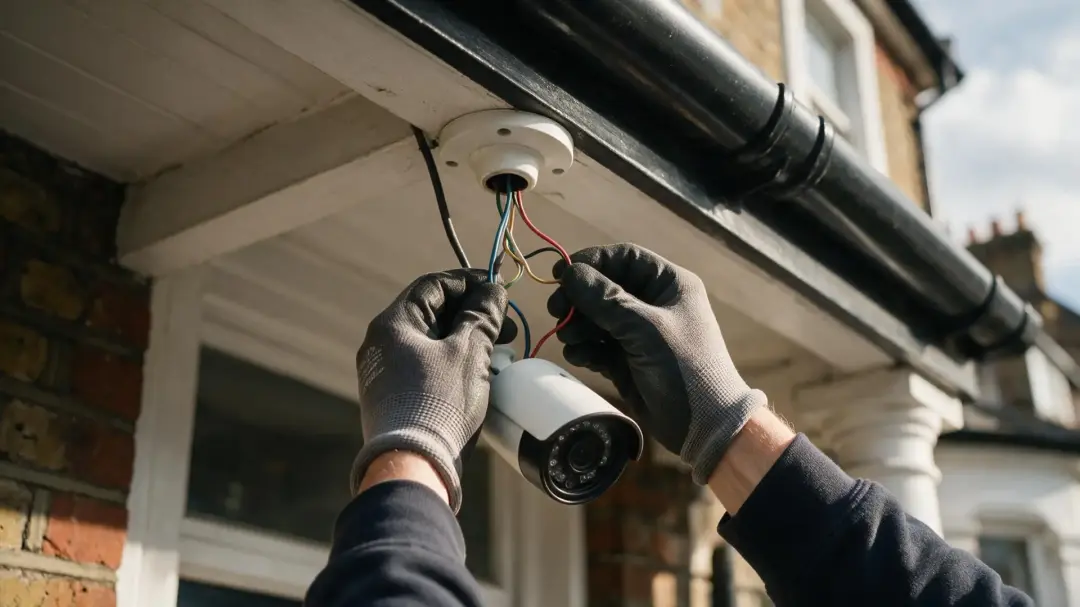
A burglar alarm that appears completely unresponsive could have lost power, developed a battery fault or suffered a problem with its control equipment. A damaged cable or electrical fault can also affect wired systems.
Check whether there has recently been a power cut or whether the alarm panel is displaying any signs of power. If the system has no power and the cause is not clear, professional help may be required.
Avoid opening or taking apart alarm equipment unless you are trained to do so. Some systems contain electrical connections, and attempting repairs without the right knowledge may cause further damage.
Why Is My Smart Burglar Alarm Not Connecting?
Connected burglar alarms can provide useful features such as remote alerts and controls, but these systems may experience connection problems. A loss of internet access, a changed network password or a problem with the alarm service can affect connected features.
In many systems, losing an internet connection does not necessarily mean the basic alarm has stopped protecting the property. The local siren and sensors may continue working, although remote alerts and controls could be unavailable.
If connection problems continue after your home internet service has returned, check the system instructions or contact the alarm provider for advice.
Why Does My Burglar Alarm Go Off During the Night?
An alarm that repeatedly activates at night may have a sensor problem rather than detecting a person. Changes in temperature, moving objects, insects near sensors or pets moving through protected areas can sometimes contribute to unwanted activations.
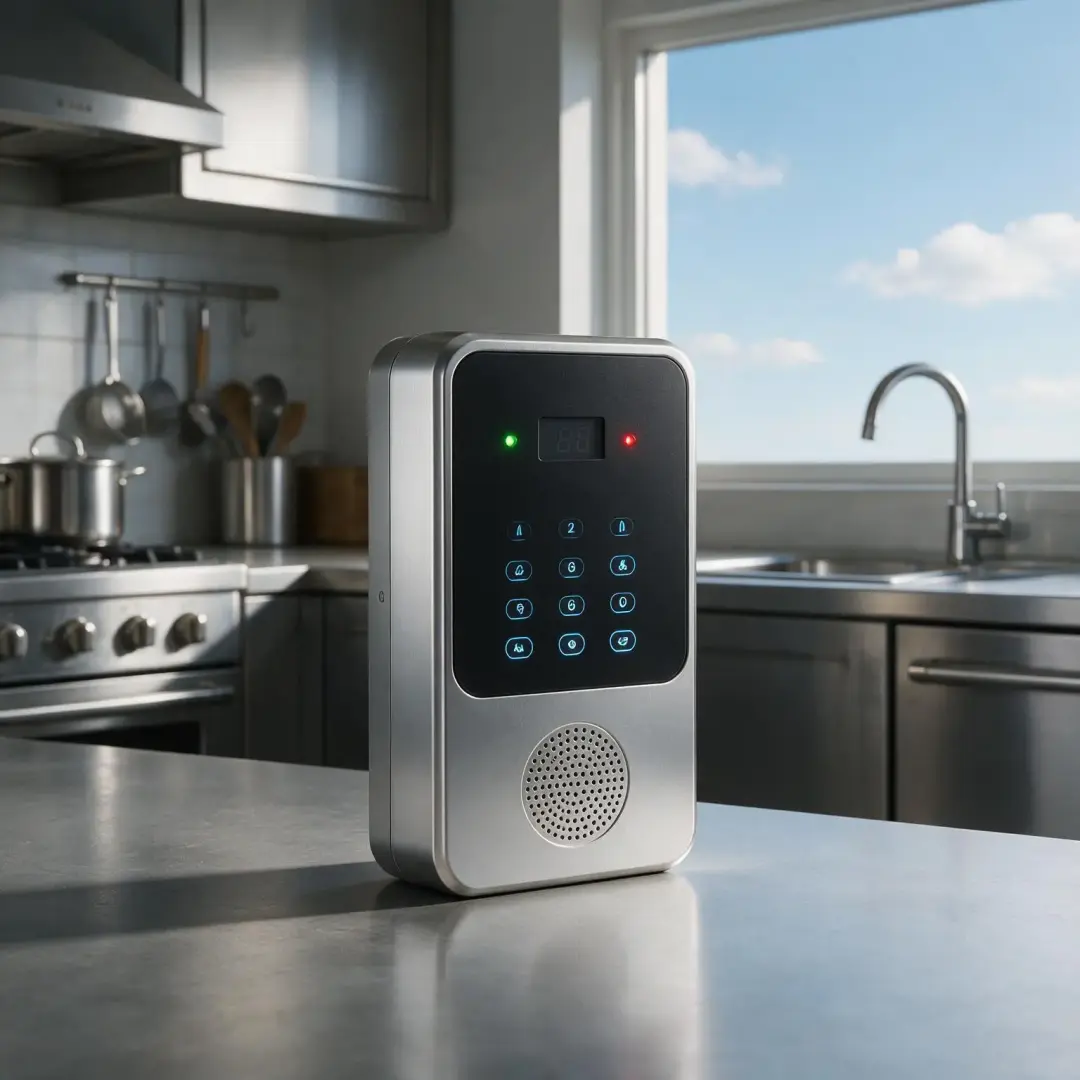
Make a note of which sensor or area is being reported by the control panel.
If the same area repeatedly causes the alarm, this information can make it easier to identify the source of the fault.
Do not assume every night-time alarm is false. Check your surroundings safely and treat unexpected alarm activations seriously until you know what caused them.
What Problems Can an Old Burglar Alarm Develop?
Burglar alarm equipment can become less reliable as it gets older. Batteries lose their ability to hold a charge, sensors can wear out and older control equipment may become difficult to maintain.
An older alarm is not automatically unsafe or ineffective, particularly if it has been regularly maintained. However, frequent faults, difficulty finding replacement parts and repeated false alarms can indicate that an upgrade should be considered.
Newer alarm systems may also provide features that were not available when an older system was installed, including remote notifications and improved control options.
Why Are False Burglar Alarms a Problem?
False alarms are more than an inconvenience. They can reduce confidence in the system and cause unnecessary disturbance. For professionally monitored systems that qualify for police response, repeated false alarm calls can have additional consequences.
Police security system requirements place importance on reducing false calls. Systems that qualify for a police response must follow specific standards and procedures, and repeated false calls can result in police response being withdrawn.
This makes correct installation, regular maintenance and proper use particularly important for monitored systems.
How Often Should a Burglar Alarm Be Checked?
Regular checks can help identify problems before they affect the protection provided by your alarm. You should follow the maintenance guidance supplied with your particular system because requirements can vary between different alarms.
Testing may include checking sensors, warning devices, batteries and communication features. It is also sensible to make sure everyone who needs to use the alarm understands how to set and unset it correctly.
A professional alarm service can provide a more detailed inspection and identify parts that are damaged, worn or approaching the end of their useful life.
Should You Repair or Replace a Faulty Burglar Alarm?
Whether an alarm should be repaired or replaced will depend on its age, condition and the type of fault. Replacing a battery or individual sensor may be enough to restore a relatively modern system.
Replacement may make more sense if the alarm is very old, faults are becoming frequent or suitable replacement parts are difficult to obtain. You may also want to upgrade if your current system no longer provides the features or level of protection you need.
A professional assessment can help you understand the condition of the existing equipment before deciding whether repair or replacement offers better value.
Why Is It Important to Fix Burglar Alarm Problems?
A fault can mean that your alarm does not provide the protection you expect. A failed door sensor, flat battery or disconnected part of the system could leave an area of the property less protected.
Home security remains important despite the long-term fall in burglary. Police recorded 223,456 burglaries in England and Wales in the year ending March 2026. The Office for National Statistics also reported 2.6 million theft incidents during the same period.
Dealing with alarm faults quickly, using the system correctly and combining it with secure doors, windows and locks can help maintain a stronger level of home security.
If your burglar alarm is showing a fault, repeatedly activating or no longer working correctly, professional advice can help identify the cause. Regular maintenance can also help prevent smaller problems from developing into faults that affect your home security.