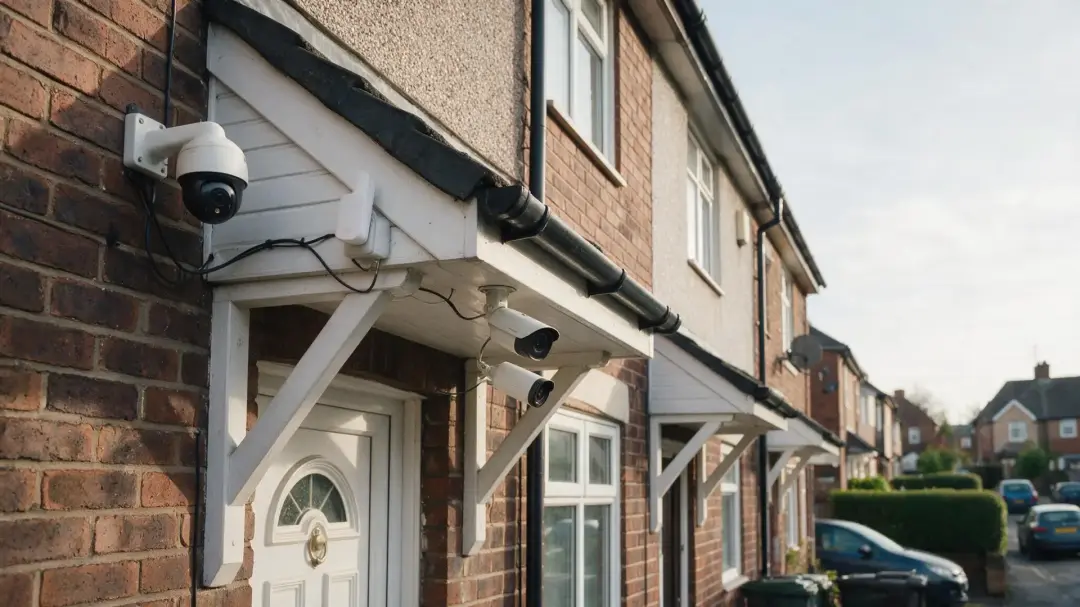
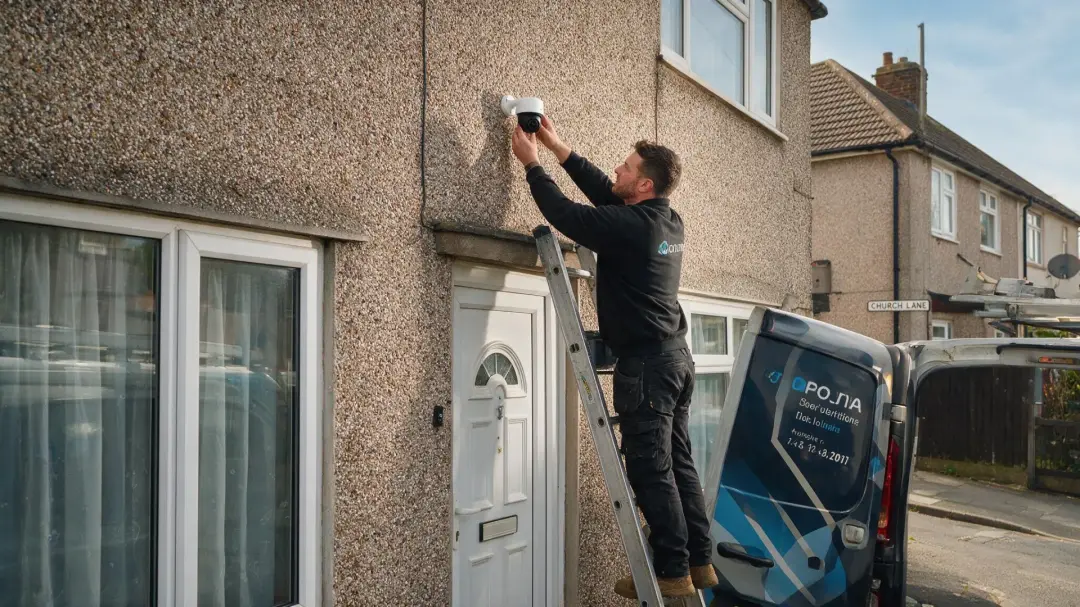
Before installing CCTV cameras, consider your property’s security needs to ensure effective surveillance and safeguard your home with tailored CCTV solutions.
What Should You Consider Before Installing CCTV Cameras?
Installing CCTV cameras can help you watch over your home, record suspicious activity and provide useful footage if an incident takes place. However, buying cameras without first thinking about where they will point, what they will record and how the footage will be stored can lead to poor results and privacy problems.
There is still a clear reason for households to think carefully about security. The Office for National Statistics reported 223,456 police-recorded burglaries in England and Wales in the year ending March 2026. This was 9% lower than the previous year, but it still represents hundreds of thousands of offences.
What Do You Want Your CCTV Cameras to Protect?
Before choosing any equipment, decide exactly what you want the cameras to do. You may want to watch a front door, driveway, side entrance, garden gate, garage or another area where someone could approach the property.
A clear purpose will make it easier to choose the number of cameras, their positions and the features you actually need. It can also help you avoid recording a wider area than necessary.
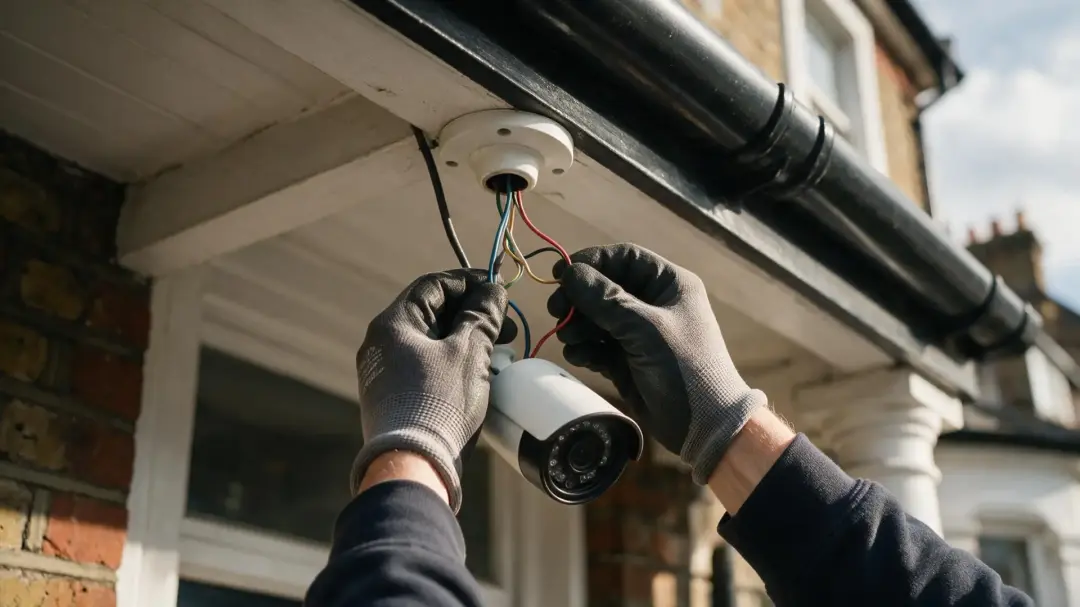
Think about the view each camera needs before it is fitted. A camera should cover the area that matters without being blocked by walls, plants, vehicles or other objects.
Police security advice recommends positioning cameras so they can obtain useful facial images. Footage is much more useful when a person can be recognised clearly than when a camera only records a distant or unclear figure.
You should also check how the view changes at night. Lighting, glare and very dark areas can all reduce the quality of recorded footage.
How Many CCTV Cameras Do You Need?
The right number of CCTV cameras depends on the size and layout of your property. More cameras do not automatically mean better security. A smaller number of well-positioned cameras may provide more useful coverage than several cameras aimed at areas that are unlikely to matter.
Start with the main routes to and from the property. Front and rear doors, side access points, driveways and garages are common areas to consider. Look for blind spots and decide whether a single wider view or several focused views would give you better coverage.
Read related articles:
How CCTV Can Help Protect Your Home
How Many CCTV Cameras Does Your Property Need?
Will Your CCTV Record Outside Your Property?
Privacy is one of the most important points to consider before installation. If a home CCTV system only records within your own property boundary, normal household use is treated differently from a system that records people beyond that boundary.
If your cameras capture a neighbour's property, a public area or a shared space, data protection law can apply. Current Information Commissioner's Office guidance says you should have a clear reason for the recording, avoid capturing more than you need, tell people that CCTV is in use, keep recordings secure and delete footage regularly. The guidance is currently under review following recent changes to data law, so it is sensible to check the latest rules before installation.
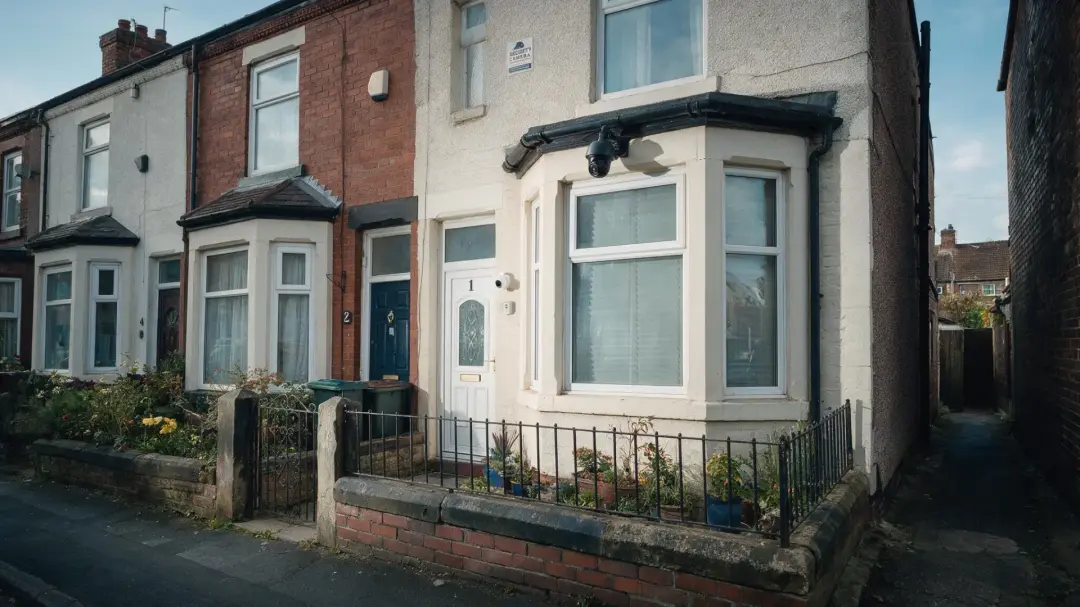
Where possible, point cameras towards your own doors, paths, driveway and garden rather than towards neighbouring homes or large parts of the street.
If part of a public or neighbouring area cannot reasonably be avoided, some systems allow privacy areas to be blocked from view. This can reduce unnecessary recording while keeping the part of the image you need.
Signs can also be required when cameras record beyond your property boundary. They help people understand that CCTV is operating before they enter the recorded area.
What Image Quality Do You Need?
Image quality matters because footage that is too dark, blurred or distant may have limited value. Think about the level of detail you need at important points such as doors, gates and driveways. Test whether a person's face can be seen clearly in daylight and after dark.
Higher image quality can require more storage space, so there is a balance to consider. It is usually better to choose settings that provide useful detail in the areas that matter most rather than recording every part of the property at the highest possible quality.
Should Your CCTV Record at Night?
Many incidents happen when natural light is limited, so night-time performance should be part of your decision. Check whether the areas you want to monitor have enough lighting and whether the camera can still produce a useful image after dark.
Outdoor lights can support a camera, but poor placement may create glare or strong shadows. Test the view after installation and adjust the camera or lighting if faces, number plates or entry points are difficult to see.
How Will CCTV Footage Be Stored and Protected?
You should know where recordings will be kept before choosing a system. Some cameras record to equipment inside the property, while others use online storage. Consider how much footage you need to retain, how easily you can find a recording and what happens when the available storage becomes full.
Security is just as important as storage space. Use strong access controls and keep recording equipment in a secure location. If footage is sent over the internet or through a wireless connection, make sure the system uses suitable protection against unauthorised access.
Do You Need Mobile Alerts or Remote Viewing?
Connected CCTV systems can send alerts to a mobile device when movement is detected and may allow you to view a camera while you are away. This can be useful, but alerts only help when they are set up carefully. A camera that sends repeated notifications for passing cars, moving plants or animals may soon be ignored.
Think about which areas genuinely need alerts and how often you want to check them. Remote access should also be protected with a strong password and any other security features offered by the system.
Can CCTV Prevent Crime on Its Own?
CCTV can support home security, but it should not be treated as a complete solution. Police guidance states that cameras do not prevent every crime and are no substitute for secure doors and windows. Locks, lighting, gates, alarms and good day-to-day security habits still matter.
Research also suggests that CCTV has a modest effect on crime rather than a guaranteed one. A major review covering 76 studies found that crime fell by about 13% in areas with CCTV compared with control areas. The effect varied by setting, and systems used alongside other security measures generally performed better than CCTV used alone.
What Will Your CCTV System Cost Over Time?
The purchase price is only one part of the cost. You may also need to allow for professional installation, extra cameras, storage, replacement parts, maintenance or ongoing online storage charges.
Compare the full cost of the system with the features you will actually use. Paying for functions that are not suitable for your property may add cost without improving security. A system that is simple to operate and maintain can be more useful in the long term.
Should CCTV Cameras Be Professionally Installed?
Professional installation can be useful when you are unsure about camera position, wiring, night-time coverage, privacy or storage. An installer can assess the property and help place cameras where they are more likely to capture useful footage.
Whatever installation method you choose, test the finished system carefully. Check each camera during the day and at night, make sure the date and time are correct, confirm that recordings can be found and played back, and review the system from time to time as plants, lighting and the use of outdoor spaces change.
What Should You Check Before Installing CCTV Cameras?
Before installation, be clear about the areas you need to protect, the level of image detail required, how cameras will perform after dark and where footage will be stored. You should also consider privacy from the start and avoid recording more of neighbouring or public areas than is necessary.
With 223,456 burglaries recorded by police in England and Wales in the year ending March 2026, home security remains important. CCTV can be a useful part of that security, particularly when cameras are positioned well, footage is protected and the system is combined with strong physical security.
If you are considering CCTV cameras, think about the whole security of your property rather than relying on cameras alone. Secure doors, windows and a suitable alarm can all work alongside CCTV to give your home stronger protection.